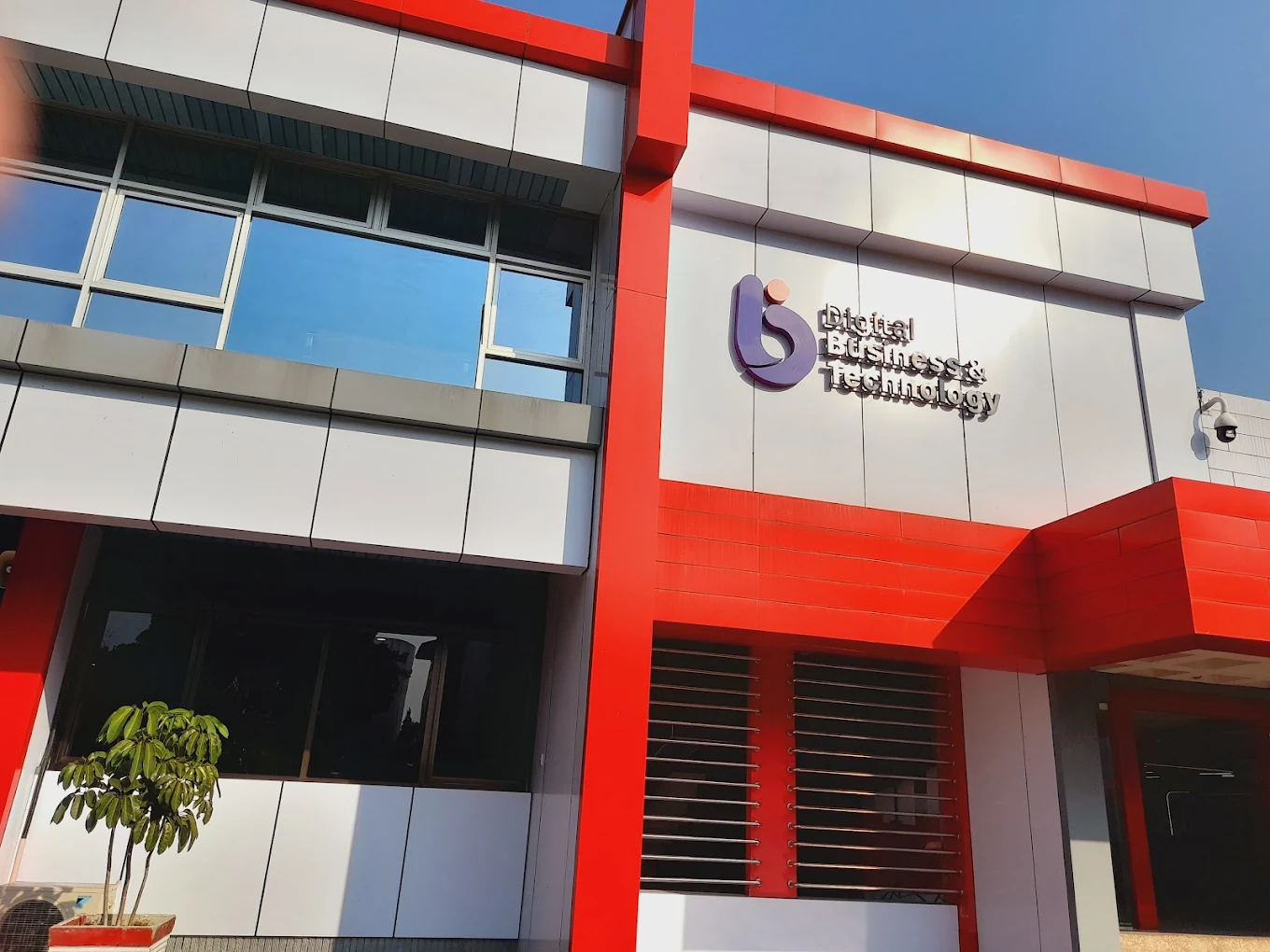
About the Project at Telkom DDB
I spent eight weeks as a Data Analyst Intern at PT Telkom Indonesia, placed in the Digital Business & Technology (DBT) division under the Agree Ecosystem Development squad. My work was part of the greenhouse project, an initiative developed under an international smart agriculture program with the Japan team and Telkom Corporate University (Corpu).
The goal was to design a Decision Support System (DSS) tailored for modern greenhouse farming. Indonesia was the first pilot country, and our field location was a tomato farmer association in Cibodas, Lembang, West Java. The association manages B2B sales contracts with commercial buyers, while individual member farmers grow beef tomatoes in plastic greenhouses and supply their harvest back to the cooperative.
Field Visits & Finding the Real Problem
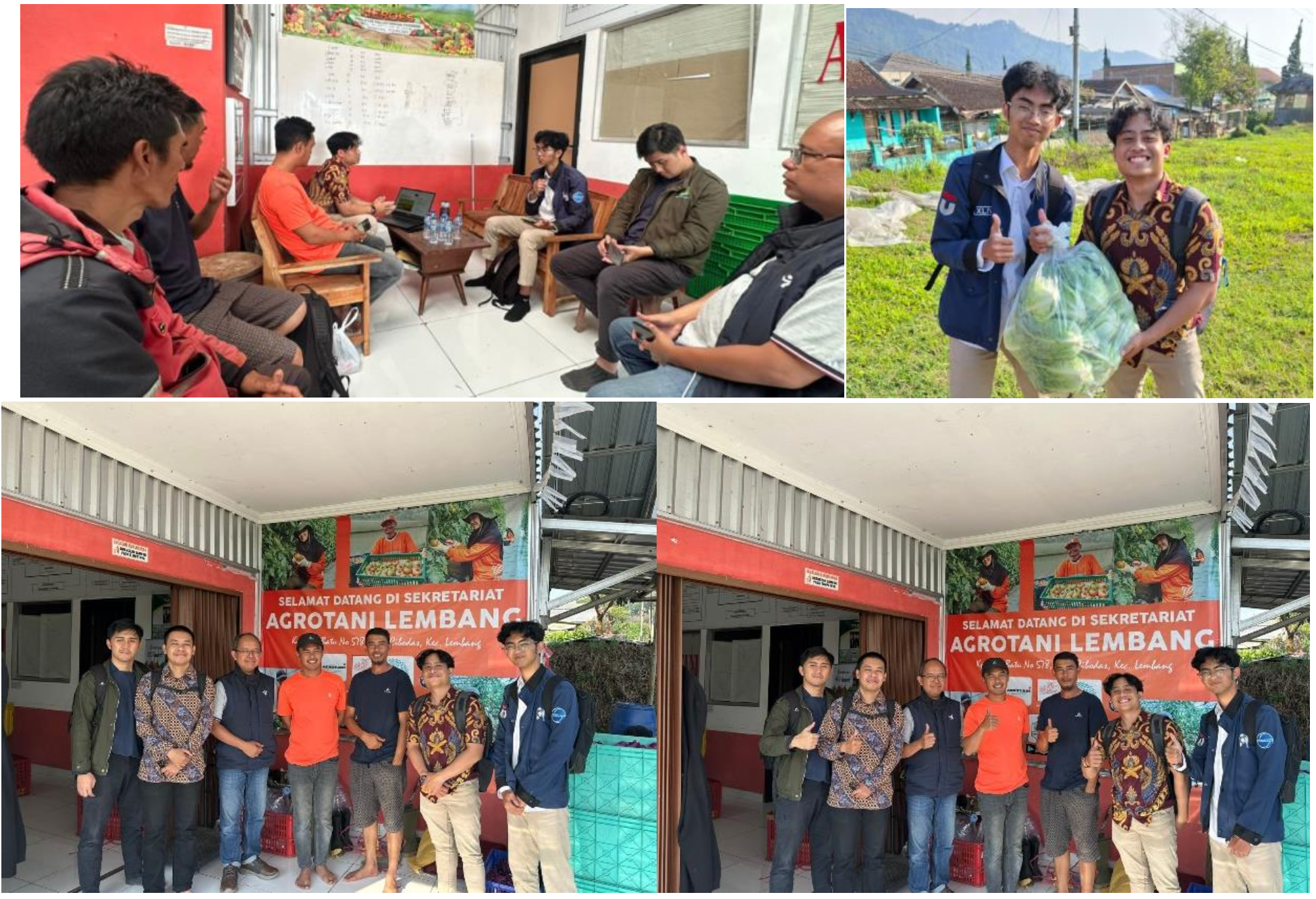
During my first week, I joined field visits to the greenhouses in Lembang alongside teams from Telkom Corpu and the Japan team. We walked the greenhouse rows, inspected environmental sensors, and interviewed growers to understand how they managed their crops day to day.
Our initial hypothesis was technical: we assumed farmers primarily needed automated yield calculations and nutrient management to push harvest weights from 2.5 kg up to 3 kg per tree. However, interviews with experienced growers like Pak Wilarto regarding AB Mix fertilizers and daily irrigation revealed a different picture. The growers already understood greenhouse cultivation. The real friction was administrative opacity and broken trust.
When farmers delivered their harvest, the association sorted the tomatoes into grades like AB, C, and D. But the farmers only received bulk lump-sum bank transfers later, without an itemized slip showing the weight and price breakdown per grade. They could not verify if their payouts were fair. Simultaneously, the association struggled to honor steady volume commitments to supermarket buyers because individual farmers planted whenever they chose, causing cycles of oversupply followed by shortages.
Reframing the Problem with TLADS
An advanced yield prediction model would sit unused if basic record-keeping and mutual trust remained unsolved. To reset the project scope around real operational needs, I applied Bill Schmarzo's Thinking Like a Data Scientist (TLADS) framework.
I drafted a Hypothesis Development Canvas to connect business initiatives directly to ground-level decisions. We narrowed three sprawling initial concepts down to one practical focus: building transparency around harvest grading, profit sharing (Sisa Hasil Usaha / SHU), and cooperative planting schedules. When farmers can inspect their grading data in real time and see how collective profits are distributed, they have a clear incentive to log data and synchronize their crop cycles.
Prototyping with a High Visual Model
I adopted a backward-working process: before drafting software specs or diagrams, I built a functional prototype in Excel called the High Visual Model. This allowed farmers and association managers to test the reporting logic on realistic harvest data during our feedback sessions.
The model incorporated four central views:
- Farmer earnings sheets that calculated payouts automatically using daily weight logs and fixed grade rates (such as Grade AB at Rp 18,000/kg down to off-grade fruit at Rp 2,000/kg), removing payment uncertainty on delivery day.
- Association revenue summaries that balanced commercial buyer contracts against operational costs like seedling supply, transport, and packaging, feeding into a member contribution leaderboard for annual SHU distributions.
- A daily warehouse stock monitor showing current inventory across each grade, so association staff knew available stock on the spot when commercial buyers arrived.
- A 52-week planting calendar spanning all member greenhouses, staggering land preparation, planting, and harvest windows so the association could guarantee steady weekly deliveries to contracted buyers.
Designing the System Architecture (SKPL)
After validating the workflow with the association, I formalized the requirements into the Software Requirements Specification (SKPL) for the greenhouse project, establishing the blueprint for the development team.
I mapped out the system use cases for two primary user roles: farmers and association management. Farmers received capabilities to view real-time microclimate metrics (temperature, humidity, soil moisture), record daily cultivation logs, and review automated climate advisories. Association managers were equipped to track aggregate harvest logs, monitor planting schedule compliance, view daily warehouse balances, and benchmark individual greenhouse outputs against historical averages.
I then developed domain class diagrams that linked physical telemetry objects (Greenhouse, SensorData, BudidayaLog, Pupuk) with operational business records (Panen, Manajemen, RekapPanen, RekomendasiIklim), providing an organized data foundation for engineering handoff.
Supporting Initiatives & Key Takeaways
Alongside the greenhouse project, I contributed to division activities by facilitating Zoom pitching sessions for Design Thinking workshops and editing video proposals for Macu Tani, a rural community initiative focused on integrated fish farming in West Java.
Working between corporate desks in Bandung and greenhouse dirt paths in Lembang taught me a practical lesson about analytics. Technical models only create value when they address the real operational bottleneck. Listening directly to the growers and understanding their business incentives was what turned an abstract IoT idea into a functional system design that solved their daily problems.
Tech Stack & Skills
- Python
- DSS Architecture
- System Design
- TLADS
- Data Analysis