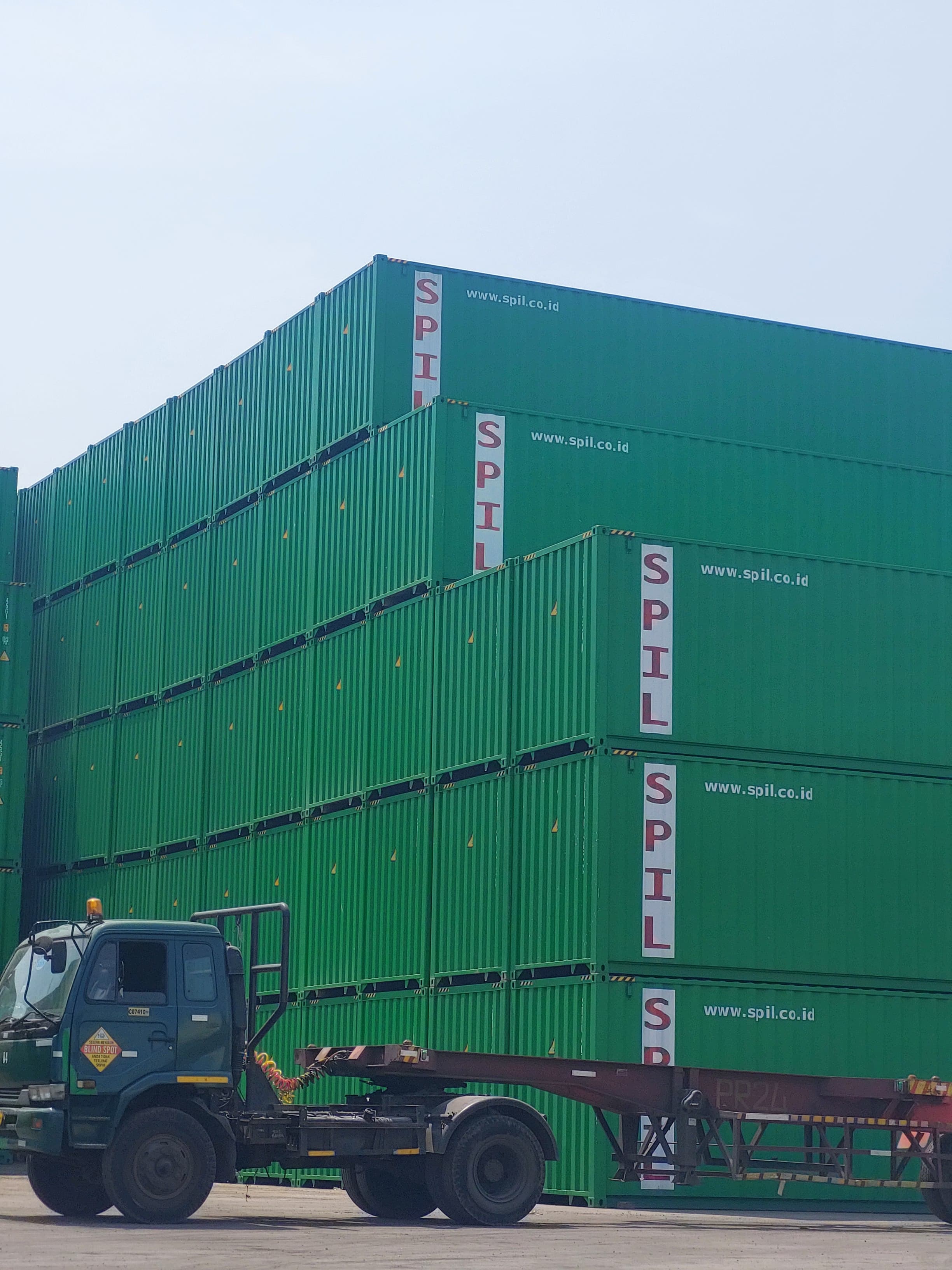
About PT SPIL
PT Salam Pacific Indonesia Lines (SPIL) is an Indonesian container shipping and logistics carrier operating across domestic sea routes. From major maritime hubs like Tanjung Priok in North Jakarta, they operate container vessels, inter-island freight terminals, and logistics platforms connecting seaports across the Indonesian archipelago.
The Operational Setting in Tanjung Priok
I completed a 4-month internship at SPIL based at their Tanjung Priok operations office in North Jakarta. Tanjung Priok is the beating heart of Indonesian maritime trade: the daily atmosphere was filled with the rumble of container gantry cranes, tidal navigation updates, and rapid-fire radio traffic between vessel captains and berth coordinators.
While I was brought on for machine learning and data analysis, the operational reality quickly reshaped my responsibilities. Port dispatchers and vessel operators do not work in isolated Jupyter notebooks. They manage urgent, time-sensitive schedules where a delayed departure burns expensive bunker fuel and risks missed docking windows. They needed reliable full-stack interfaces that surfaced predictive risks during morning dispatch standups.
Key Systems Developed
1. Early Medical Warning System
Container crews spend weeks at sea far from terrestrial hospitals. Previously, seafarer health records were locked away in physical clinic logbooks or disconnected spreadsheets. If an engine mechanic with chronic hypertension or diabetes was dispatched onto a vessel heading into heavy offshore swells, nobody connected those risks until a medical emergency occurred hundreds of nautical miles from the nearest port.
To eliminate this blind spot, I engineered an automated data pipeline in Python that fused three disconnected operational streams:
- Port clinic medical checkup records, tracking crew blood pressure baselines, chronic conditions, and prescription maintenance schedules.
- Vessel passage timetables, tracking expected transit windows through specific maritime corridors.
- Marine meteorological feeds, pulling forecast wave heights, offshore wind velocities, and seasonal storm advisories by geographical sea coordinate.
I built a composite health risk scoring model that cross-referenced seafarer vulnerabilities against forecast weather severity along each vessel's specific sailing corridor. If risk crossed safety thresholds, automated warnings alerted port dispatchers and captains before departure. I visualized these risk corridors on an interactive React.js dashboard, giving coordinators an intuitive geographical overview of crew safety across Indonesian waters.
2. Ship Operation System (SOS)
In container shipping, capacity is measured in TEUs (Twenty-foot Equivalent Units). Cargo planners faced a constant operational dilemma: under-allocating cargo slots meant sailing half-empty ships that burned massive fuel budgets at a financial loss. On the other hand, over-committing bookings caused painful cargo roll-overs, leaving commercial shipping containers stranded on Tanjung Priok quays and triggering client penalties.
Working on the SOS forecasting engine, I extracted and engineered features from historical voyage logs, incorporating seasonal shipping demand, regional cargo weight distributions, and specialized slots such as refrigerated containers. I trained regression models to predict vessel load factors at seven days before departure (T-7), providing cargo planners with a reliable lead-time window to adjust slot quotas.
To deliver these insights to the operations floor, I developed a clean dispatch interface in React.js that graphed live booking velocity against predicted capacity ceilings. I also assisted in containerizing our backend microservices using Docker Compose, orchestrating Flask, PostgreSQL, and Nginx containers configured for secure on-premise deployment within SPIL's internal network.
What I Learned
My time at Tanjung Priok taught me that mathematical models are only as valuable as the operational decisions they enable. Learning the language of maritime logistics (TEUs, draft limits, berth windows, stowage plans) mattered just as much as optimizing regression loss.
Bridging data engineering with the gritty reality of port operations proved that great software does not replace human operators; it gives them clear, trustworthy signals right when decisions carry the highest operational stakes.
* Note: These internal tools are proprietary and protected under Non-Disclosure Agreements (NDA). Source code, internal database schemas, and client metrics cannot be shared publicly.
Tech Stack & Skills
- Python
- React.js
- Flask
- Docker Compose
- PostgreSQL
- EDA
- Scikit-learn
- Pandas